The Lightning Torch: A Payment Could Arrive. Would It Leave Again?
In 2019, Hodlonaut sent 100,000 satoshis and asked the recipient to add 10,000 and pass them on. The Lightning Torch crossed borders while exposing the difference between a working payment route and a human promise.
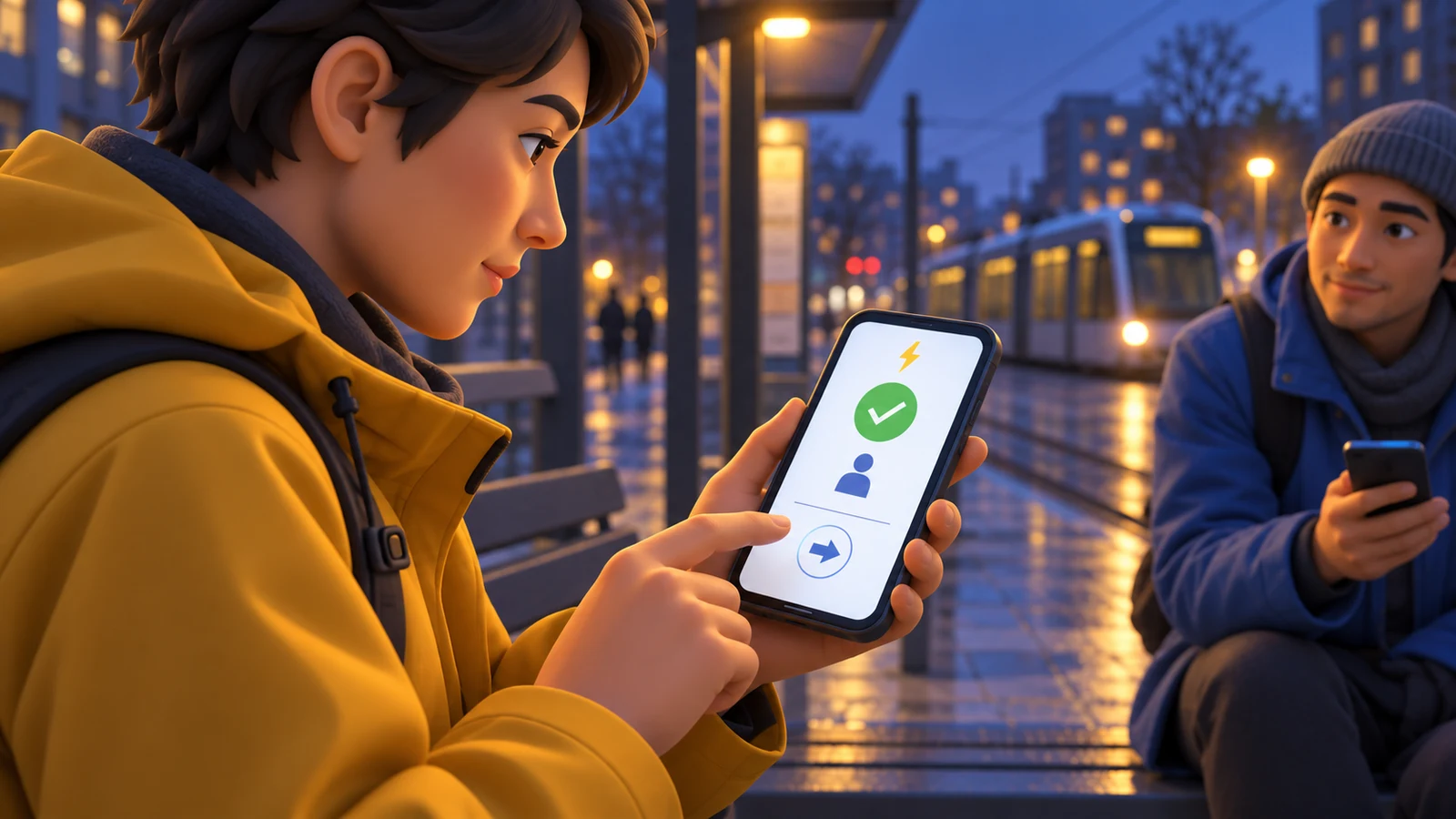
3-Minute Fast Briefing
- The ParadoxHodlonaut started the Lightning Torch on January 19, 2019, with 100,000 satoshis. Recipients were asked to add 10,000 and choose the next person.
- The Turning PointEach handoff was a new payment. A successful Lightning transfer did not compel its recipient to continue the public relay.
- The LegacyThe experiment reached participants across 56 countries and ended with a donation to Bitcoin Venezuela in April 2019. Its social handoffs were distinct from the routing hops inside each payment.
Chronological Timeline
Hodlonaut starts a relay with 100,000 satoshis, asking recipients to add 10,000 and send the growing amount onward.
Jack Dorsey participates, while CoinGecko records its own handoff to an 88-year-old woman in Brooklyn.
The Torch concludes with Bitcoin Venezuela receiving the donation. Contemporary records describe participation across 56 countries.
The Next Person Was the Question
On January 19, 2019, the pseudonymous bitcoiner Hodlonaut proposed a small game on Twitter. He would send 100,000 satoshis over Lightning to someone he chose to trust. That recipient should add 10,000 and find another person willing to do the same. No auction, prize draw or new token was required. The suspense was whether the next person would pass the money on.[1]
A satoshi is one hundred-millionth of a bitcoin. The starting amount was therefore 0.001 BTC, and the requested addition was 0.0001 BTC. Those small units suited an experiment in making payments rather than waiting for a balance to become valuable. The growing sum became known as the Lightning Torch, under the hashtag #LNTrustChain.[1][4]
Two Very Different Chains
Lightning is a payment-channel network built on Bitcoin. Its original design describes transfers made off-chain, with the ability to enforce the relevant channel arrangements on the blockchain. A payment can pass through intermediary channels without the sender opening a direct channel to every eventual recipient. The technical path connects the payer and payee for that payment.[3]
The Torch created another chain above it: a sequence of people agreeing to make separate payments. A recipient could issue an invoice; the current holder could pay it; the new holder could then arrange the next handoff. The BOLT 11 specification describes an invoice as a request for a Lightning payment. It does not make accepting one payment a commitment to pay another person later.[1][4]
This distinction matters when reading the experiment’s statistics. A social handoff from one Torch holder to the next might itself use a route containing multiple network hops. Counting the people who passed the Torch does not count all the intermediary nodes that routed their payments. The relay’s public itinerary was a record of participation, not a complete map of Lightning traffic.[1][3]
From a Timeline to a Grandmother’s Phone
High-profile participants brought more attention to the experiment. Jack Dorsey, then Twitter’s CEO, received the Torch in February; the contemporary record also includes Lightning Labs co-founder Elizabeth Stark. A payment channel had become something people could point to in a public timeline and ask to try for themselves.[1][2]
CoinGecko’s first-quarter report describes a more personal handoff. After receiving the Torch from @labitcoineta in Argentina, the team says it sent 3,550,000 satoshis to an 88-year-old grandmother in Brooklyn. The report preserves the announcement and a photograph of her holding a handwritten sign. This was a participant’s account of one transfer, not a survey proving that everyone could use Lightning easily.[1]
Publicity supplied something the protocol could not: people willing to find the next participant, exchange payment requests and help the experiment continue. The same visibility could also favor well-known accounts. Hodlonaut told Bitcoin Magazine that he had worried about ordinary users being crowded out. A permissionless payment network did not automatically produce an evenly shared invitation list.[2][4]
When the Money Stopped Moving
The relay did encounter people who held on to the funds. CoinGecko’s report records two interruptions and says the community restarted the Torch. Bitcoin Magazine describes a replacement payment after an early holder kept the money, and another dispute in which the funds were eventually returned. The social experiment needed human repair.[1][2]
These incidents did not mean that a routing node had defeated Lightning’s payment conditions. In the accounts, the disputed person was already the intended recipient of a completed transfer. The problem was what that person chose to do next. Protecting a payment while it is in transit and enforcing generosity after it arrives are separate tasks.[2][3]
A Finish Line, Not a Benchmark
By April 2019, the Torch had reached participants across 56 countries. Bitcoin Magazine reported its final destination as Bitcoin Venezuela, a charitable initiative. The donation gave the relay an ending: the money no longer needed another celebrity, another invoice or another round on Twitter.[1][2]
The trip demonstrated working payments among its participants. It was not a controlled test of every wallet, every route or every country’s access to the network. Nor did its public success establish that all payments would be instant, free or certain to succeed. The design still depended on usable channels and payment routes; the Torch also depended on people choosing to cooperate.[1][3]
What made the experiment memorable was that both layers could be seen at once. The network handled a payment; a person decided whether to begin the next one. Following the Torch taught a more useful lesson than treating technical trust reduction as the disappearance of human trust: even a successfully delivered payment leaves its recipient with a choice.[1][3][4]
Connected Stories in this Universe
Explore the chain reaction of historical breakthroughs, blunders, and legends.

Bitcoin’s 2017 Fork Summer: Three Deadlines, Two Chains, No Final Judge
BIP 91, BIP 148 and Bitcoin Cash shared one tense summer, but each changed a different rule on a different schedule.
Read story →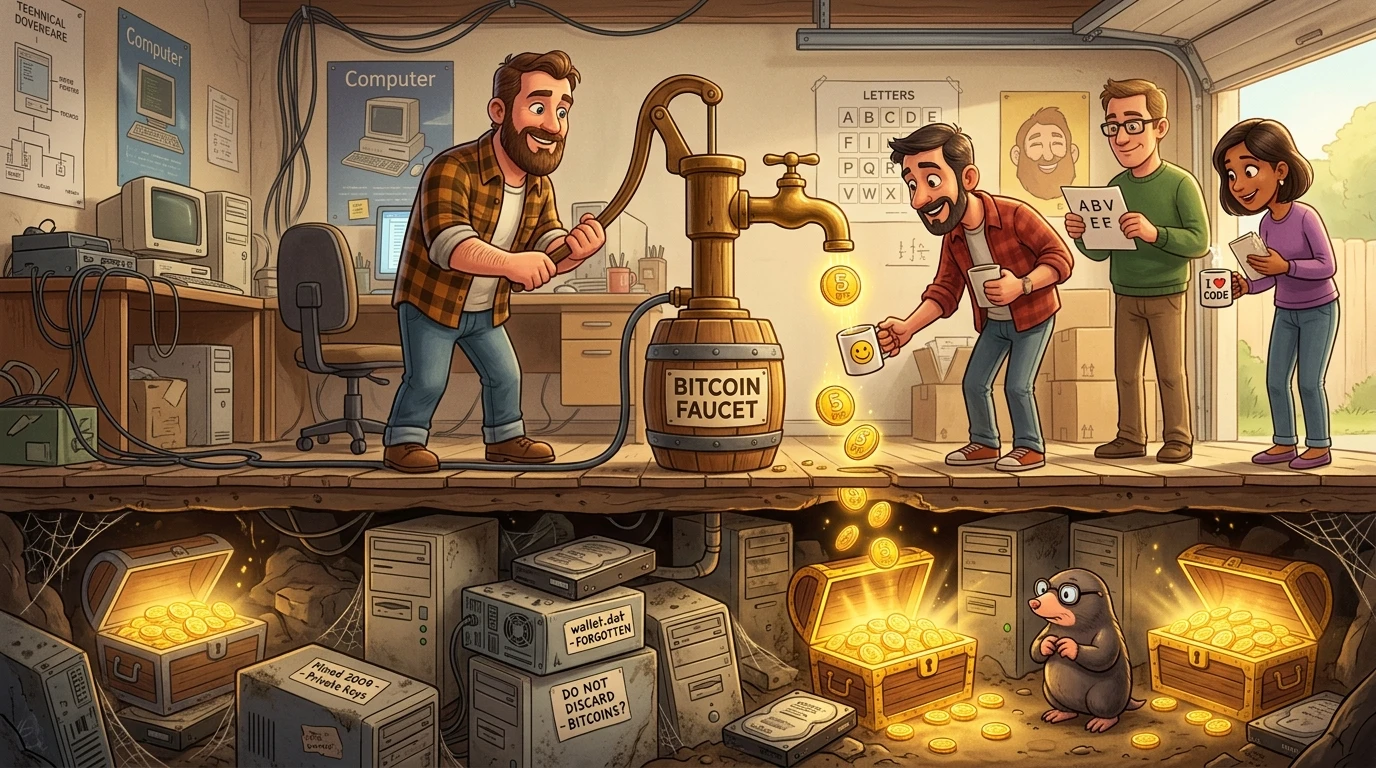
The 5 BTC Free Faucet: When Solving a Simple CAPTCHA Handed Out Fortunes to Casual Internet Surfers
In 2010, Gavin Andresen created a website giving away 5 BTC for free to anyone who solved a CAPTCHA, distributing 19,700 BTC that became lost fortunes.
Read story →Sources & References
- [1]Source 1: CoinGecko Q1 2019 report, pages 26–29CoinGeckoAccessed 2026-09-13
- [2]Source 2: The Lightning Torch reaches its final destinationBitcoin Magazine · 2019-04-11Accessed 2026-09-13
- [3]Source 3: The Bitcoin Lightning Network, draft 0.5.9.2Joseph Poon and Thaddeus Dryja · 2016-01-14Accessed 2026-09-13
- [4]Source 4: BOLT 11: Invoice Protocol for Lightning PaymentsLightning protocol contributorsAccessed 2026-09-13