QuadrigaCX and Gerald Cotten: The Cold Wallets Were Already Empty
When QuadrigaCX founder Gerald Cotten died in India, the exchange said about $190 million was locked in cold wallets. Ontario regulators later concluded those wallets had been emptied before his death, not sealed by a lost password.

3-Minute Fast Briefing
- The ParadoxIn December 2018, Gerald Cotten, 30-year-old CEO of Canada's largest cryptocurrency exchange QuadrigaCX, died suddenly in Jaipur, India from complications of Crohn's disease.
- The Turning PointHe was the sole individual with access to the encrypted laptop containing private keys to $190 million in client Bitcoin, Ethereum, and Litecoin, leaving 115,000 users locked out.
- The LegacyForensic accounting by Ernst & Young and Ontario regulators later revealed the cold wallets had been drained months prior to his death, exposing a massive internal Ponzi scheme.
Chronological Timeline
Gerald Cotten and Michael Patryn establish Canada's dominant fiat-to-crypto exchange.
Cotten dies in a Jaipur hospital twelve days after signing a comprehensive will leaving his entire estate to his wife.
Quadriga files for creditor protection, stating it cannot access cold wallets holding $190 million.
The Ontario Securities Commission concludes QuadrigaCX operated as an insolvent Ponzi scheme long before Cotten's death.
1. A Sudden Death in Jaipur and a Locked Vault
On January 14, 2019, customers of QuadrigaCX—Canada's largest and most trusted cryptocurrency exchange—received a devastating announcement. Gerald Cotten, the company's 30-year-old founder and sole operator, had passed away on December 9 while honeymooning in Jaipur, India, from septic shock associated with Crohn's disease.
The tragedy quickly escalated into a financial catastrophe. Cotten held sole operational control over the exchange's cold wallets, which stored approximately $190 million (CAD $250 million) in Bitcoin, Ethereum, and other digital assets belonging to 115,000 users.
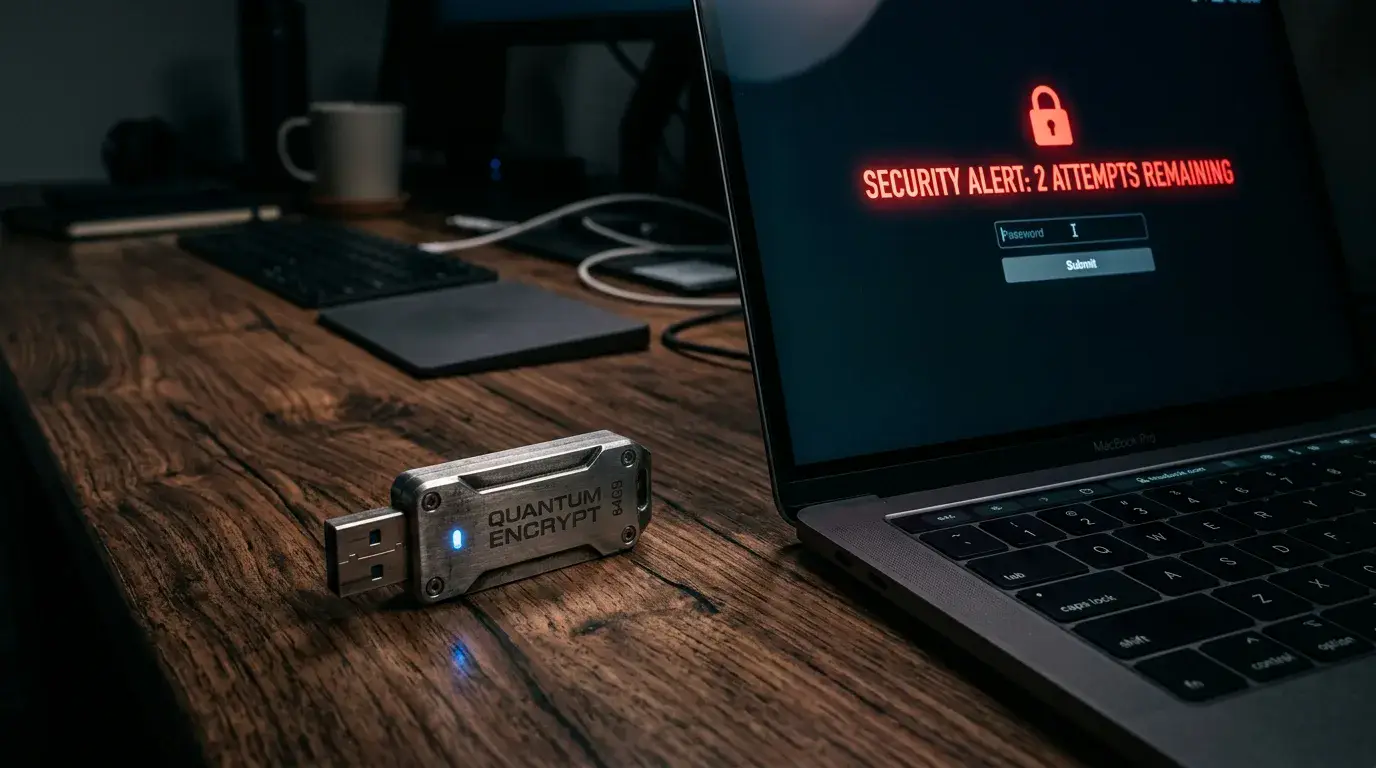
"Gerry was obsessed with security. The laptop from which he conducted all business operations is encrypted, and despite diligent searches, I have been unable to find his passwords or recovery keys."— Widow Jennifer Robertson's Affidavit
With Cotten dead and his MacBook Pro locked by FileVault encryption, QuadrigaCX halted all withdrawals and filed for creditor protection.
2. The Forensic Hunt: Empty Wallets and Ghost Bitcoins
Court-appointed monitor Ernst & Young (EY) brought in top cybersecurity forensics teams to crack Cotten's encrypted laptop, USB hardware keys, and cloud accounts.
Meanwhile, blockchain sleuths began tracking QuadrigaCX's public deposit addresses on-chain. What they discovered sent shockwaves through the financial world: the cold wallets were completely empty, and had been emptied months before Cotten ever stepped foot in India.
"The funds were not lost due to an inaccessible laptop password. The cold storage wallets were drained between 2014 and 2018. There were no Bitcoins in the vault."
Quadriga had not been locked out of its vault; the vault was an empty illusion.
3. The Ponzi Scheme Behind the Curtain
In June 2020, the Ontario Securities Commission (OSC) released a damning 33-page investigative report exposing QuadrigaCX as an old-fashioned Ponzi scheme wrapped in high-tech jargon.
Cotten had created fake accounts under aliases such as 'Chris Markay' and credited them with fictitious CAD balances. He used these fake funds to trade against real user deposits, transferring client Bitcoins to competitor exchanges (including Bitfinex and Poloniex) to engage in reckless leveraged margin trades.
"What happened at QuadrigaCX was an old-fashioned fraud wrapped in modern technology. Cotten sustained massive trading losses and funded a lavish lifestyle using client deposits."— OSC Enforcement Report
Over five years, Cotten lost roughly $115 million in failed margin trades and spent millions acquiring luxury real estate, yachts, private aircraft, and custom sports cars.
4. Faked Death Theories and Exhumation Demands
The timing of Cotten's death—twelve days after executing a new will transferring his entire personal estate to his wife, and amid mounting withdrawal backlogs—sparked widespread conspiracy theories.
Suspicions deepened due to discrepancies on his Indian death certificate and the fact that his body was transported in a closed casket. Convinced that Cotten had staged his death to abscond with millions, lawyers representing defrauded creditors formally petitioned the Royal Canadian Mounted Police (RCMP) to exhume his body for DNA confirmation.
"We need to know whether Gerald Cotten is truly buried in that grave, or if he is living under an assumed identity on an offshore island with our life savings."
While exhumation was never carried out, the saga became the subject of widespread media fascination, including the Netflix documentary 'Trust No One: The Hunt for the Crypto King'.
5. How Quadriga Reshaped Exchange Architecture
The QuadrigaCX debacle catalyzed a global regulatory and technical transformation across the digital asset industry.
Major exchanges moved swiftly to implement institutional-grade multi-signature cold storage, requiring consensus among multiple geographically distributed executives before any assets could move.
"Not your keys, not your coins. Quadriga taught an entire generation of crypto investors that trusting a centralized database without cryptographic proof of reserves is a recipe for disaster."
Today's industry standards—including cryptographically verified Proof of Reserves (PoR) and the growth of decentralized exchanges (DEXs)—stand as permanent safeguards built upon the ruins of Quadriga.
Key Takeaways for Investors & Builders
Single Points of Failure vs. Multi-Signature Custody
Institutional funds must never rely on a single human operator. Multi-signature governance and distributed key management are mandatory.
Proof of Reserves Is Essential
Account balances displayed on centralized exchanges are merely database entries unless backed by verifiable on-chain reserves.
Not Your Keys, Not Your Coins
Quadriga remains the definitive cautionary tale demonstrating that leaving assets on custodial exchanges forfeits sovereign ownership.
Continue reading
Explore the topic through other cases and contexts.


Sources & References
- [1]Source 1: Quadriga Fintech Solutions & Gerald Cotten Death MysteryWikimedia Foundation · 2023-11-20
- [2]Source 2: Gerald Cotten: QuadrigaCX Founder & Cryptocurrency Exchange CollapseWikimedia Foundation · 2024-01-15
- [3]Source 3: QuadrigaCX: A Review by Staff of the Ontario Securities CommissionOntario Securities Commission · 2020-04-14
- [4]Source 4: Quadriga Crypto Exchange Was a Fraud Perpetrated by Its FounderCBC News · 2020-06-11