Kings of Leon: What Arrives When You Buy an NFT Album?
In March 2021, Kings of Leon paired an album with NFTs, gold vinyl and a separate concert-perk auction. A fan’s purchase shows why receiving the token was only one step in receiving the experience.
3-Minute Fast Briefing
- The ParadoxNFT Yourself launched alongside When You See Yourself on March 5, 2021, with YellowHeart handling the NFT release.
- The Turning PointThe album collectible and its vinyl bundle were separate from six Golden Ticket auctions promising concert benefits.
- The LegacyA buyer still had to navigate a wallet, transaction fees and redemption; a blockchain record did not send the record or organize a concert.
Chronological Timeline
Live Nation describes the collectible, vinyl and separate Golden Ticket auctions.
When You See Yourself and NFT Yourself arrive together.
Jamie Parmenter publishes his account of purchasing and arranging redemption.
Pollstar interviews YellowHeart and the band’s manager about the experience.
The token arrived. What about the record?
Music writer Jamie Parmenter bought a Kings of Leon NFT in March 2021. After the purchase, he could see the collectible in his account. Yet he still had questions about listening to the album and receiving the vinyl: he had not supplied a postal address. His first-person account catches the release at its most revealing point. A successful token transaction and a completed record order were not the same event.[2]
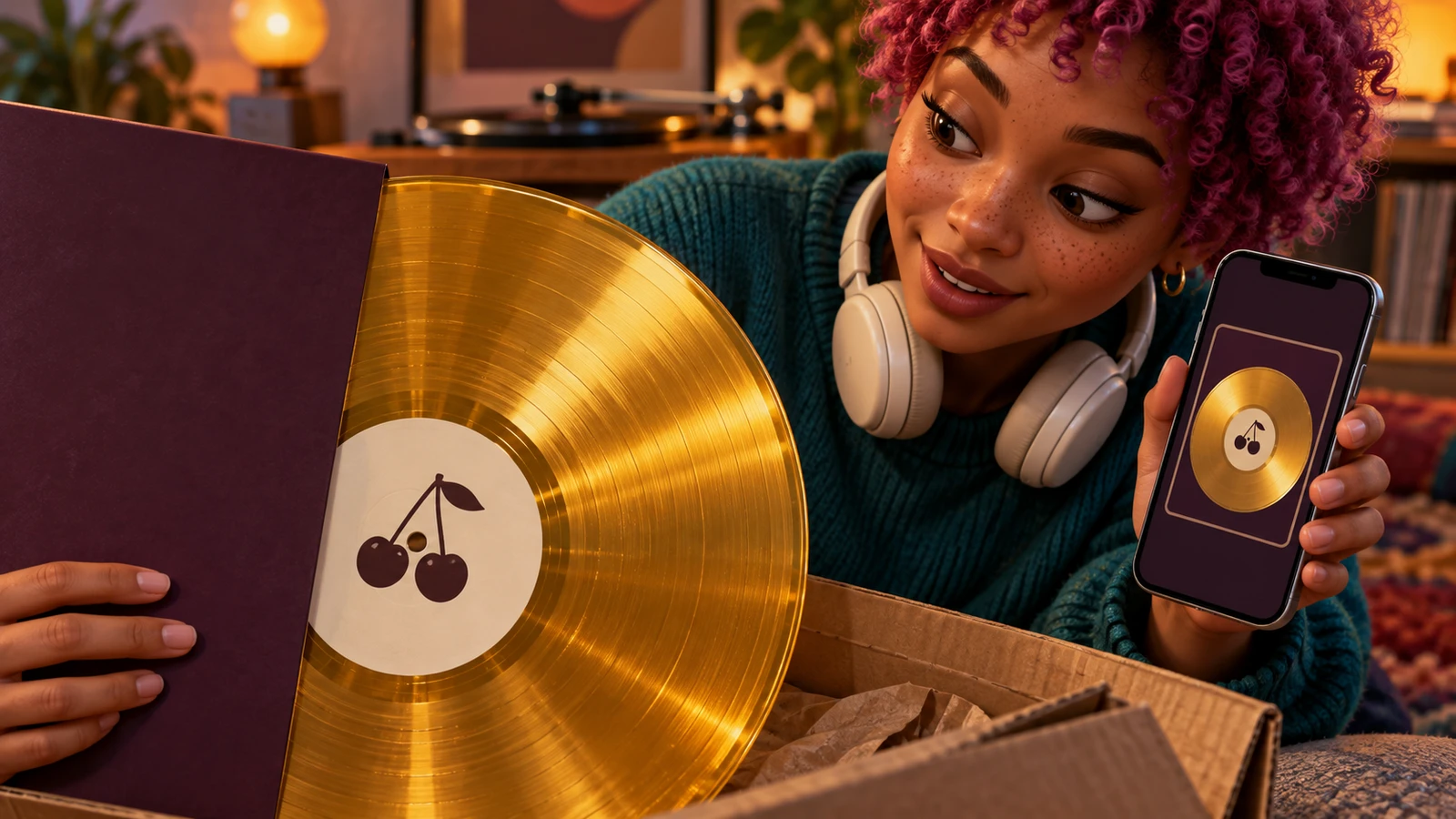
The offer had been announced on March 3, ahead of the March 5 release of When You See Yourself. Kings of Leon worked with YellowHeart on NFT Yourself, with art by the band’s creative partner Night After Night. The announced entry package paired a $50 NFT collectible with limited-edition Golden Eye vinyl. A digital item was being sold with something a fan could put on a turntable.[1]
What the organizers hoped to change
The launch announcement presented a direct relationship between artists and fans as YellowHeart’s goal. The collectible used the band’s own visual material, including photographs taken by creative director Casey McGrath and band member Matthew Followill. This gave the digital object a recognizable connection to the album. The promise was not simply another audio format: it was a way to sell and keep a particular piece of the release.[1]
For YellowHeart CEO Joshua Katz, the longer ambition included transparent ticket resale and a collectible that retained significance after a show, he told Pollstar. These were the platform’s aims, not proof that every resale or future event would work smoothly. A transferable record could identify the next holder; the band and its partners would still have to recognize that holder when delivering a benefit.[3]
A gold record was not a Golden Ticket
The collection also included six separate Golden Ticket auctions. The announced benefit was four front-row seats to one chosen show on each tour, for life. That was not a promise of entry to every concert, and it was not part of the ordinary album package. The distinction matters: “the Kings of Leon NFT” could refer to products with very different benefits and prices.[1]
The album itself remained available through ordinary listening channels. The NFT package offered a collectible, a music download and special vinyl; buying it did not become the only way to hear the songs. For a fan, the relevant choice was what extra experience to purchase, not whether the blockchain would permit them to listen.[1][2]
Buying was the beginning of a longer path
Parmenter describes setting up an OpenSea account and a MetaMask wallet, moving ether and then discovering that the purchase needed additional gas fees. After acquiring the token, he turned to community support for redemption information. He learned that obtaining the vinyl required confirming his details through YellowHeart. This is one buyer’s account, not a measure of every customer’s experience, but it shows the work hidden behind an apparently simple album price.[2]
The steps had different purposes. The marketplace offered the collectible, the wallet authorized a transaction, and the network processed it. Funding the wallet with just the item’s price did not cover all of those costs in Parmenter’s case. His failed purchase attempt made a missing gas allowance visible, while the missing postal address remained a separate problem after the token arrived. Success at one stage could hide work still waiting at another.[2]
The organizers acknowledged that friction too. In an April Pollstar interview, band manager Andy Mendelsohn described the difficulty of wallets, exchanges and fees for newcomers. The article also explained that a Golden Ticket’s new owner could re-register with the band and YellowHeart. A transferable token could carry a record of ownership, while people and services still had to connect that owner with the promised experience.[3]
A second owner would need a different answer
Parmenter also reported that the music download was a one-time benefit and that buyers had a year to redeem the vinyl. Those are conditions recorded in his March 2021 account, not current redemption instructions. They introduce a distinction that a wallet thumbnail cannot show on its own: continuing to hold the collectible does not tell the viewer whether an associated benefit has already been used or its claim period has passed.[2]
An initial buyer and a later collector can therefore be looking at different bundles even when a token is transferable. The practical questions are what remains to be delivered, who records redemption, and who accepts a new holder. The Golden Ticket re-registration described by the organizers illustrates that last step. It links a change in the blockchain record to a service that must recognize the person arriving at a venue.[2][3]
The promise still had to leave the screen
Seen this way, NFT Yourself was more than music given a token label. It bundled a collectible with benefits delivered through other channels. The record needed a destination; concert access needed coordination. The lasting question is not whether the token reached a wallet, but whether its owner could move from that record to what had been promised. These are the terms and experiences reported in 2021, not a claim that an old token still carries unredeemed benefits today.[1][2][3]
Continue reading
Explore the topic through other cases and contexts.
Compare NFTs with fungible SOCKS tokens: claiming physical socks consumes the token, while delivery still needs an address.

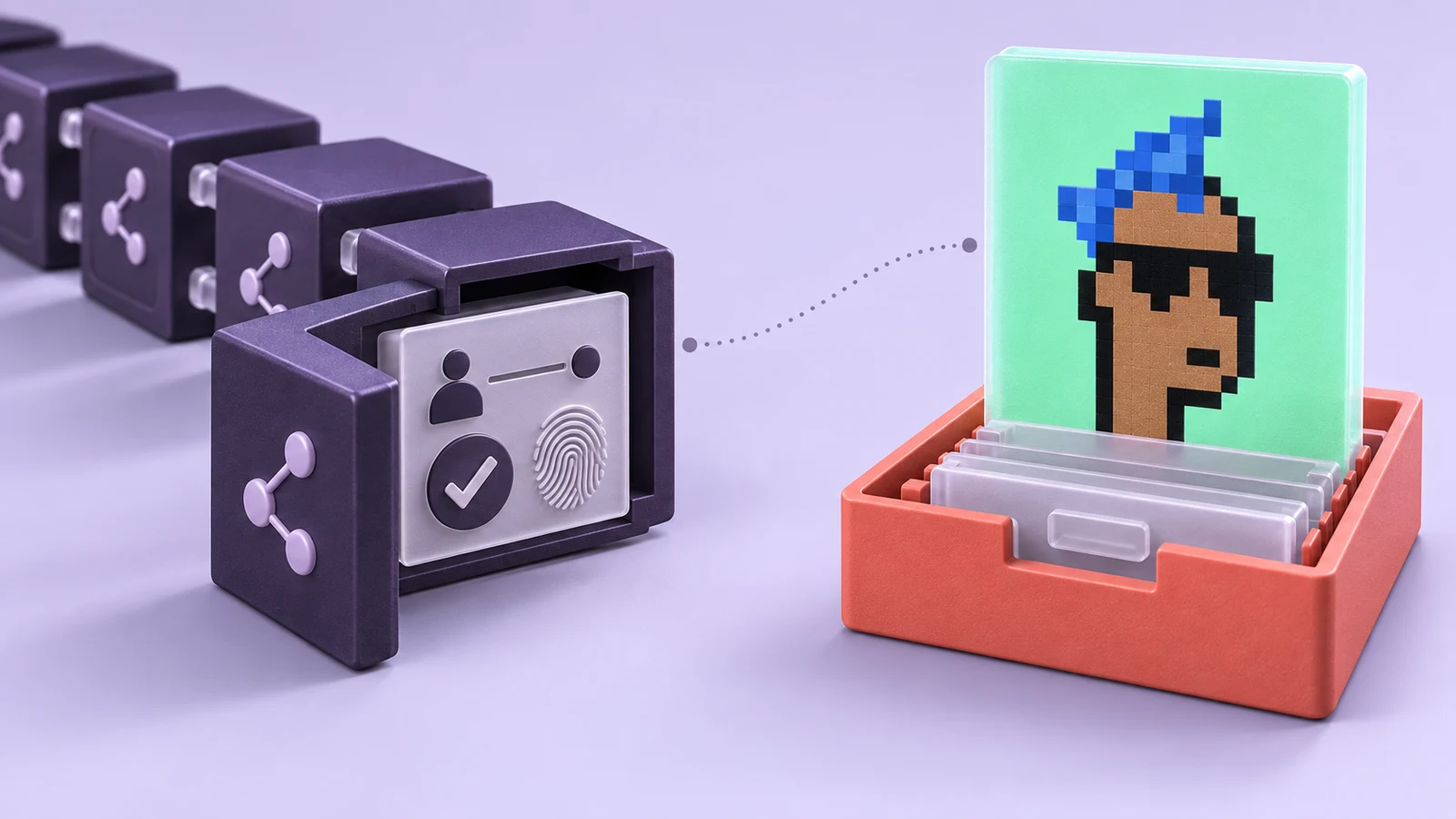
CryptoPunks separates the ownership record, the image and the data needed to verify it.
Sources & References
- [1]Source 1: Live Nation: NFT Yourself launch announcement and distinct packagesLive Nation · 2021-03-03Accessed 2026-09-26
- [2]Source 2: Jamie Parmenter: first-person purchase and redemption accountVinyl Chapters / Jamie Parmenter · 2021-03-26Accessed 2026-09-26
- [3]Source 3: Pollstar: interviews with YellowHeart and Kings of Leon’s managerPollstar / Ryan Borba · 2021-04-25Accessed 2026-09-26