
How It Works4 min read
Trezor: The Small Screen That Asks for Your Consent
Keeping a key safe does not decide where the money should go. That is why the little screen matters.
Read story →Every coin has a story. Explore the human dramas, multi-million dollar heists, and visionary breakthroughs behind Web3.
Keeping a key safe does not decide where the money should go. That is why the little screen matters.
Read story →
You could trade the claim or use it. To put the socks on your feet, the token had to go.
Read story →
An easier proof of work let small miners share a reward without making Bitcoin easier to mine.
Read story →
Could an ad find its audience without the audience’s browsing history leaving the device?
Read story →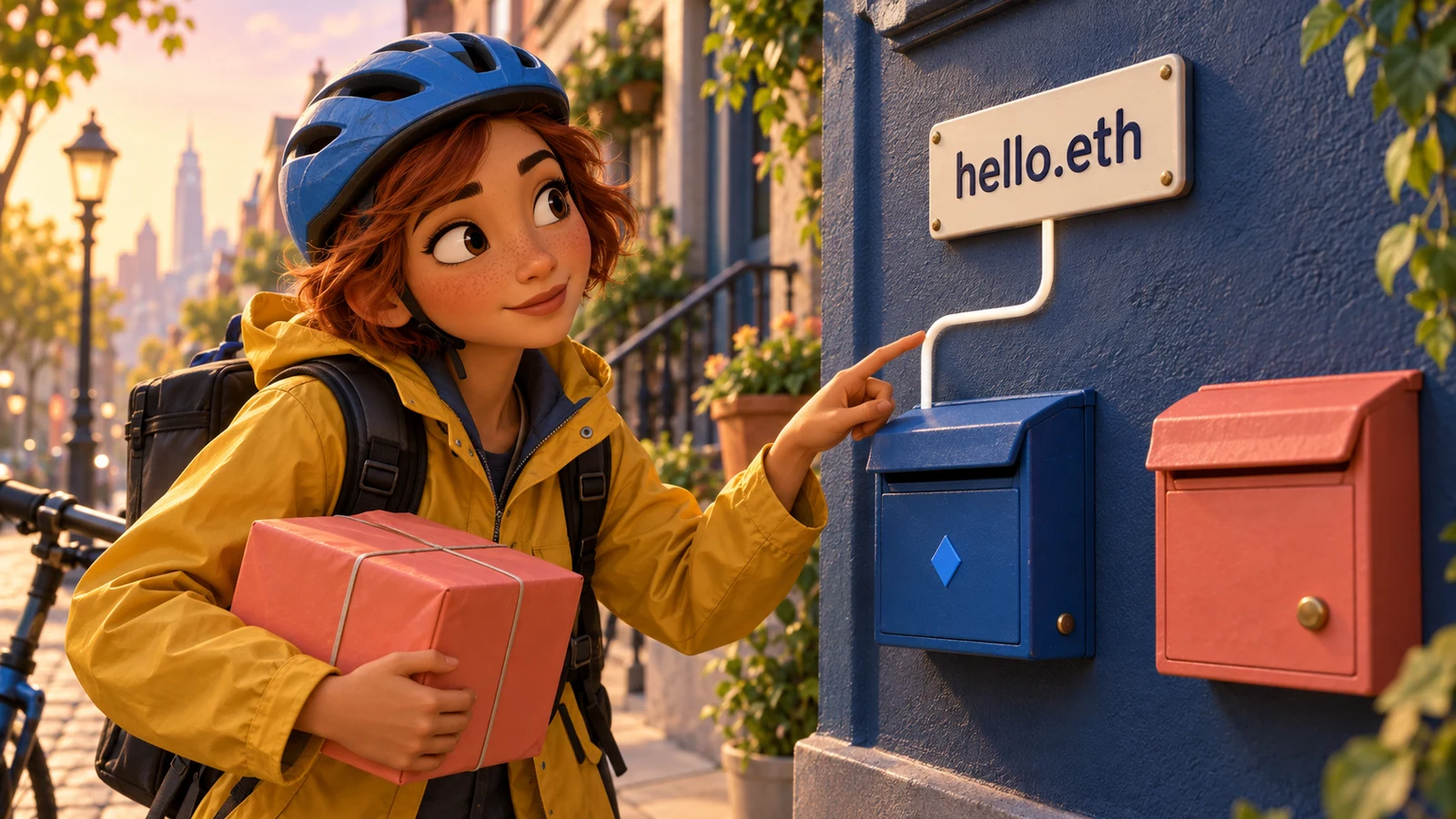
Winning a name was only the beginning. A wallet still needed to find the address behind it.
Read story →
The upload finished. The next storage check had not. Why Filecoin kept asking providers to prove their work.
Read story →
An eye scan at the supermarket, a purchase on a shared ledger. What was the blockchain actually doing?
Read story →
A tiny proof can establish that a file existed in the past. It cannot tell you whether the file was telling the truth.
Read story →
A dish can bring Bitcoin blocks to your computer. How does your own transaction get back out?
Read story →
Four people give $4 each. One person gives $16. The donations are equal; the matching signal is not.
Read story →
A message can cross between blockchains. What makes the receiving chain accept it?
Read story →
A community could approve a budget while someone else still held the payment keys. Decred made that gap explicit.
Read story →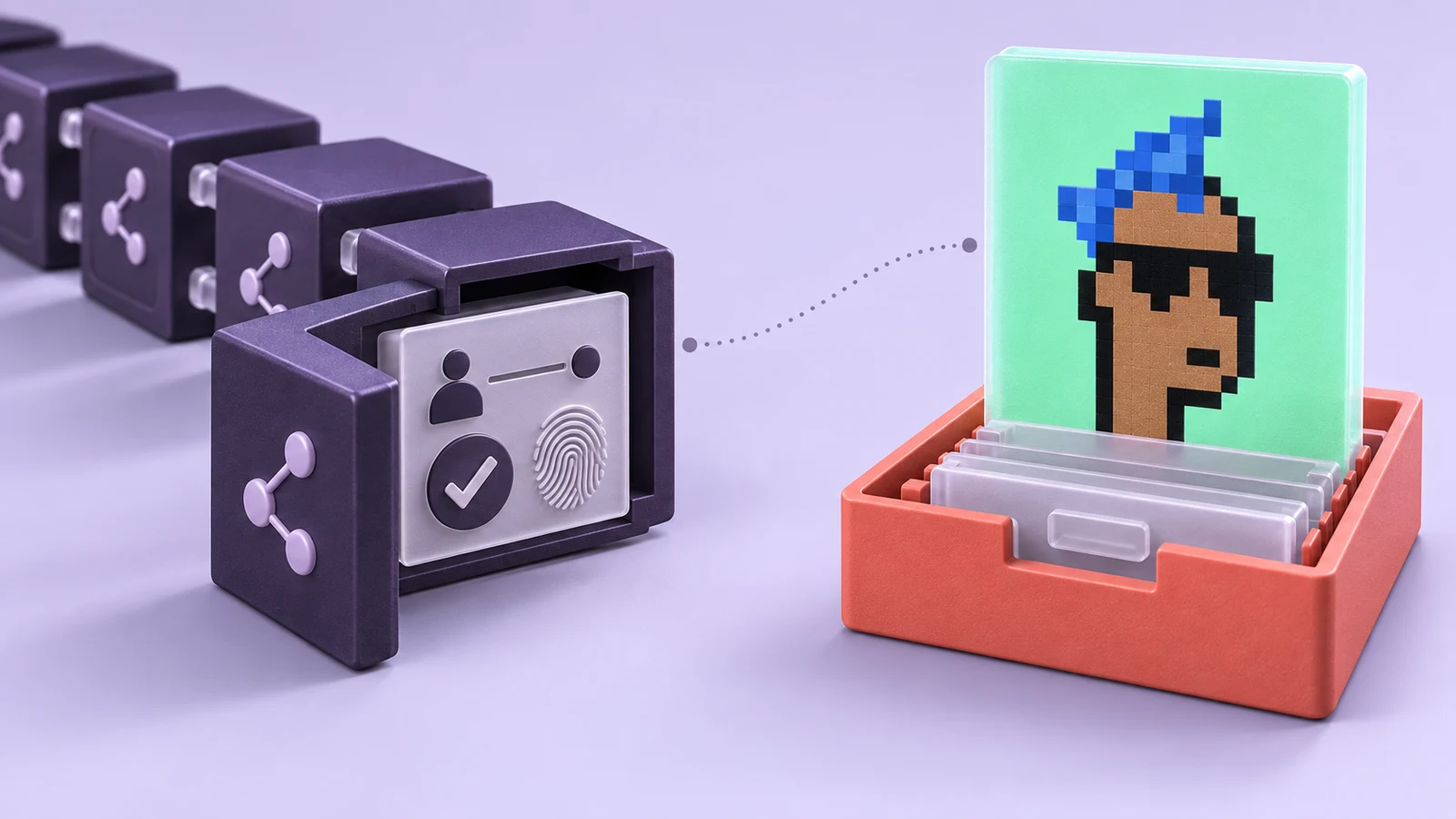
A copied portrait did not change its owner. But recording ownership was only part of keeping CryptoPunks on Ethereum.
Read story →
Add 10,000 satoshis and pass it on. A small relay tested both Lightning payments and the people receiving them.
Read story →
SushiSwap offered rewards to Uniswap’s liquidity providers. Then its founder cashed out, handed over control and returned 38,000 ETH.
Read story →
A global currency for messaging apps became a dollar-based bank project. Before its launch, Diem sold the technology for cash and shares valued at $182 million.
Read story →
A digital coin could hide the link between withdrawal and spending. It could not make issuing banks and willing merchants unnecessary. Inside David Chaum’s DigiCash.
Read story →
Pine pledged 5,057 BTC (~$86M) on Reddit. Five months later, the fund reported 5,104 BTC ($55M) for 60 causes, leaving public donation records while remaining anonymous in the cited sources.
Read story →